
Jan 19, 2026
Three Core Principles of Benchmark Factory Planning Practices
In the era of Industry 4.0, smart factory design has become more than just a technical endeavor. Leading companies like Shoebill Technology emphasize that a successful intelligent factory should not only excel in operational efficiency but also embody industrial aesthetics, elevating the overall factory image and enhancing brand appeal. From architectural façades to landscape planning and detail design, a thoughtfully designed smart factory communicates quality, sophistication, and corporate identity. In this blog post, Shoebill Technology, as a professional benchmark factory layout service provider, will share the benefits of smart factory design in upgrading the quality of factory's image.
Industrial aesthetics in smart factory planning is about harmonizing functionality with visual appeal. Shoebill Technology applies a modern industrial style characterized by simplicity, grandeur, and recognizability. The choice of materials, color schemes, and spatial arrangements reflects a deliberate design strategy aimed at creating a visually striking yet practical environment.
For example, factory façades often use a combination of white and deep gray tones, creating a clean and professional look. Large glass windows allow abundant natural light to flood production areas, enhancing transparency and a sense of openness. Structural elements such as terraces and oversized windows are incorporated not only for aesthetic purposes but also for operational benefits, such as improved ventilation and outdoor access for staff.
The external environment is an integral component of smart factory architecture. Shoebill Technology prioritizes a landscape that complements industrial operations while elevating the factory’s visual identity. Green systems, including tree-lined avenues, grass patches, and landscaped plazas, are harmonized with functional road networks to achieve a “production and landscape symbiosis.”
A typical example can be found in a 30-acre facility in the Jiangsu-Zhejiang-Shanghai region. The factory complex features a unified architectural style across multiple buildings, complemented by asphalt-paved roads and clear traffic markings. Green belts and pedestrian walkways are strategically placed to provide a sense of order and tranquility, creating a visually cohesive industrial park. This attention to landscape planning ensures that employees and visitors alike experience a pleasant, professional environment.
Distinctive exterior design plays a critical role in boosting factory identity and brand image enhancement. Shoebill Technology uses carefully selected color palettes and building forms to achieve a memorable visual impression. In some projects, white and light blue façades combined with rooftop glass panels enhance natural daylighting and give the facility a modern, approachable feel.
Large, uniform windows and terraces serve multiple functions—they improve working conditions, provide areas for informal meetings, and contribute to the overall aesthetic quality. Consistency in exterior design across buildings ensures brand coherence, reinforcing corporate recognition both within and outside the industrial park.
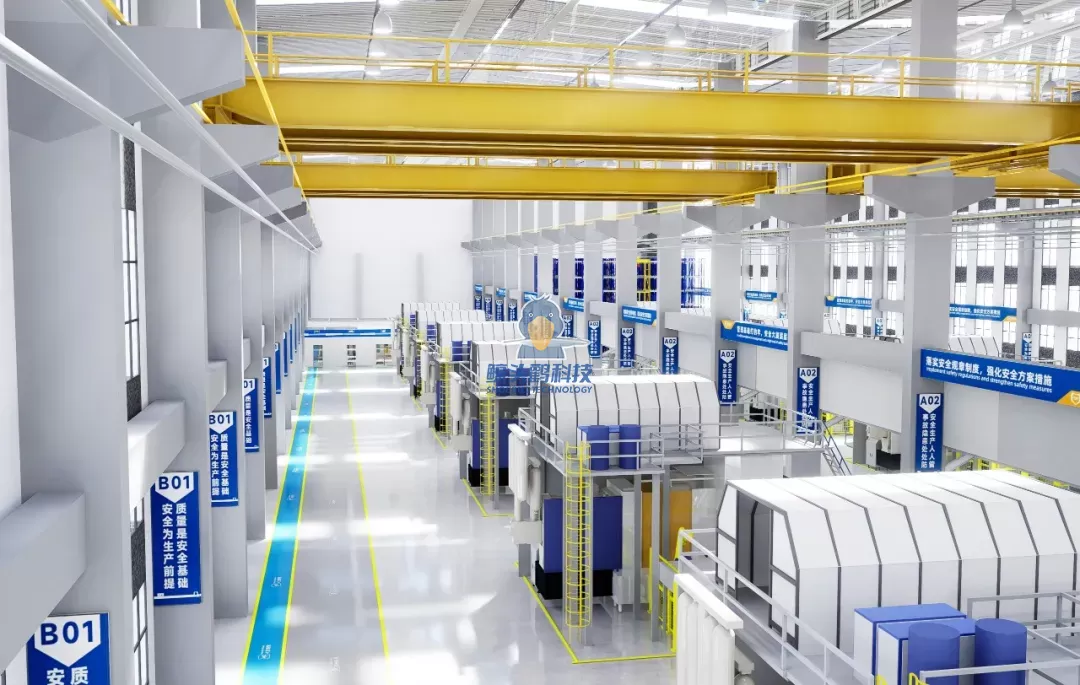
A hallmark of modern smart factory design strategy is meticulous attention to details. Standardized building numbering, uniform signage systems, and integrated lighting plans are essential elements that improve both functionality and perception of quality.
Shoebill Technology implements building numbering such as 1#, 1#A, ensuring easy identification and navigation within expansive industrial parks. Signage follows consistent color schemes and typography, while smart street lighting is strategically placed to improve visibility and safety. These small yet significant design choices enhance the precision and orderliness of the factory, reflecting a commitment to excellence.
Smart factory design is not only about aesthetics but also about creating a positive working environment. Well-planned spaces, natural light, and greenery improve employee morale, productivity, and overall satisfaction. Shoebill Technology’s approach includes rooftop skylights, open corridors, and landscaped break areas that foster interaction and relaxation.
Moreover, industrial aesthetics can influence employee perception of the company’s values. A visually appealing, orderly, and thoughtfully designed workspace conveys professionalism, innovation, and care for personnel. This alignment between design and corporate culture strengthens the company’s internal brand identity.
A standout example of Shoebill Technology’s philosophy is a 30-acre facility in the Yangtze River Delta region. Here, smart factory planning incorporates white and light blue exteriors, glass rooftops for natural illumination, and a robust green system. Roads, pedestrian paths, and landscaping are integrated to create an orderly, aesthetically pleasing environment.
The resulting “small factory, big aesthetics” concept has transformed the facility into a local industrial tourism attraction. Visitors are drawn not only by operational efficiency but also by the visual harmony and sophistication of the park. This demonstrates how industrial design can serve as a competitive advantage, attracting partners, clients, and talent.
Architecture is a silent yet powerful communicator of a company’s values. In smart factory construction, building form, color, and material selection convey professionalism, stability, and innovation. Shoebill Technology’s industrial aesthetics approach ensures that every structural element reinforces brand identity.
For instance, uniform façades across a complex create visual cohesion, while strategically placed terraces, green areas, and lighting features project a forward-thinking, quality-conscious image. Such architectural consistency strengthens corporate branding and differentiates the company from competitors in industrial regions.
A successful smart factory design integrates advanced technologies without compromising aesthetics. Shoebill Technology seamlessly incorporates smart lighting, automated guidance systems, and energy-efficient features into the industrial aesthetic framework.
For example, intelligent street lighting not only provides safety and energy savings but also enhances nighttime visual appeal. Automated pathways and signage systems are designed with minimalistic styles, ensuring functionality while maintaining a clean, modern look. This fusion of technology and design exemplifies the holistic approach of contemporary smart factories.
Sustainability has become a key consideration in modern industrial park design. Green spaces, energy-efficient materials, and environmentally friendly operations contribute to both ecological responsibility and public perception. Shoebill Technology integrates sustainable practices such as rainwater harvesting, solar panels, and landscape water management into aesthetic planning.
By demonstrating environmental responsibility through design, factories not only comply with regulatory standards but also enhance corporate reputation. Clients and visitors perceive these sustainable industrial parks as forward-thinking, socially responsible, and modern, which strengthens brand credibility.
Investing in industrial aesthetics and smart factory design principles yields long-term benefits beyond operational efficiency. Facilities that prioritize visual coherence, functionality, and sustainability create an environment that supports employee well-being, attracts clients, and builds community recognition.
Shoebill Technology’s philosophy emphasizes that each element—from building façades and glass windows to green belts and smart lighting—contributes to a cumulative impression of quality and professionalism. Over time, these design choices translate into tangible business value, enhancing brand equity and market positioning.
The evolution of manufacturing demands that smart factory design goes beyond productivity metrics. Shoebill Technology exemplifies how industrial aesthetics can transform a functional facility into a brand ambassador. Through meticulous attention to architecture, landscape, and detail design, factories become visually appealing, operationally efficient, and strategically valuable.
Incorporating aesthetic considerations into smart factory planning creates a holistic industrial environment where technology, functionality, and beauty coexist. Such facilities not only optimize production but also convey a narrative of excellence, innovation, and sustainability—strengthening brand image and leaving a lasting impression on employees, visitors, and the wider community.
By embracing the principles of modern industrial design, companies can achieve a “small factory, big aesthetics” vision, demonstrating that operational efficiency and artistic sensibility are not mutually exclusive but mutually reinforcing in shaping a smart factory for the future.

Add: Room 501, Building 1, Lane 668, Defu Road,Jiading District,Shanghai, China
Tel: 021-61354399
Contact: Mr. Chen