
Jan 19, 2026
Three Core Principles of Benchmark Factory Planning Practices
A smart factory design extends beyond internal efficiency; it encompasses how external stakeholders perceive and interact with the production environment. Client visits are critical opportunities for showcasing operational capabilities, technological sophistication, and organizational culture. A carefully planned smart factory layout ensures that visitors experience the full scope of a company’s strengths while maintaining safety, workflow continuity, and engagement.
Client-focused factory layouts prioritize route planning, functional visibility, and accessibility. Different visitor types—government officials, business partners, auditors, or evaluation committees—require differentiated pathways through the facility. By aligning the factory layout with client priorities, companies can highlight high-value areas such as research and development centers, production floors, assembly zones, and warehouses, providing a coherent narrative of capabilities from concept to final product. In this blog post, Shoebill Technology, as factory planning and plant layout service provider, will share insights on smart factory design for improved client visit experience and collaboration.
One of the most impactful elements of smart factory design for client engagement is the structured routing of visits. Routes are carefully planned to maximize exposure to key operational areas without disrupting ongoing production.
Tailored Paths by Visitor Type
Routes can vary depending on the audience’s interests. Business partners might prioritize innovation centers, intelligent production lines, and warehousing efficiency, while government or regulatory visitors might focus on compliance, safety protocols, and environmental management.
Sequential Exposure of Operations
A logical sequence in the visit—starting from an introduction area, moving through R&D and production, and concluding at quality control or product testing zones—reinforces the narrative of integrated capability.
Minimal Disruption and Clear Visibility
Well-designed pathways minimize interference with ongoing workflows and allow visitors to observe processes safely. Clear signage, transparent partitions, and elevated observation decks can enhance visibility while ensuring operational integrity.
By carefully designing visit routes within a smart factory layout, companies ensure that clients not only see the operational processes but also appreciate the systematic coherence of production and management practices.
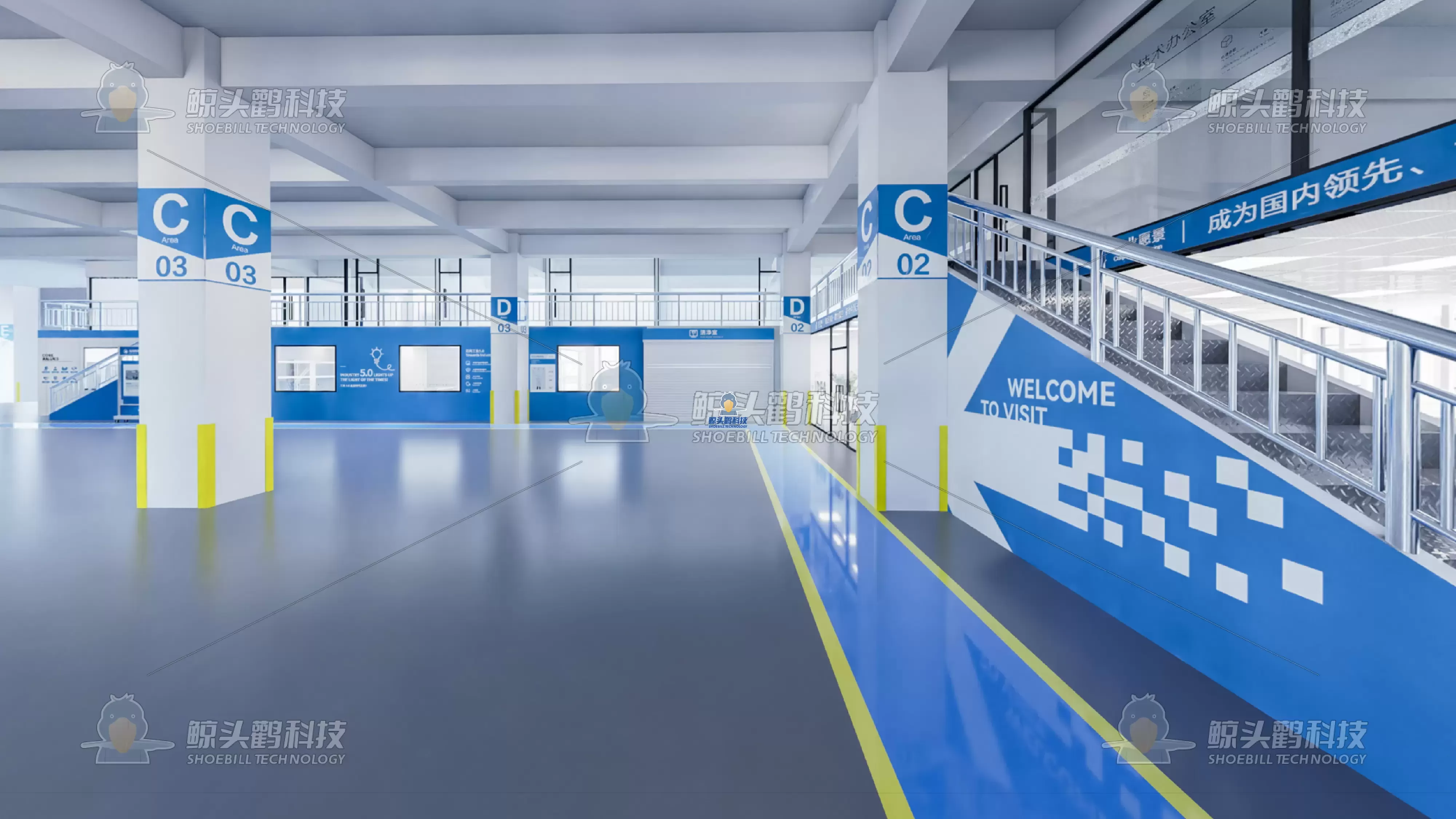
The quality of a client visit is determined by attention to detail. A smart factory design incorporates elements that enhance comfort, comprehension, and engagement during tours.
Professional Guided Presentations
Knowledgeable personnel provide live explanations of processes, product features, and production technologies. Presenters should combine technical understanding with communication skills to translate complex operations into accessible insights.
Comfort and Convenience in Production Areas
Modern smart factories incorporate design elements to reduce visitor inconvenience. For example, cleanroom areas may be engineered so that minor protective measures, rather than full attire changes, are sufficient. Rest zones, seating areas, and hydration stations along the visit route contribute to a seamless experience.
Informational Support Materials
Handbooks, digital devices, or interactive presentations allow clients to engage with product details, process standards, and corporate quality philosophies at their own pace. These materials reinforce key messages and provide lasting reference after the visit.
Attention to these micro-level details ensures that the visit communicates competence, care, and client orientation, which are crucial drivers for collaboration.
A key dimension of a smart factory layout is its ability to convey the organization’s culture, values, and commitment to quality. Physical design, combined with informational cues, creates a narrative that resonates with visitors.
Visual Storytelling Through Signage and Exhibits
Wall graphics, production floor markings, and exhibition zones communicate corporate values, historical milestones, and technological achievements. A lean factory design philosophy, for example, can be showcased through visible workflow efficiencies, organized workstations, and standardized operational protocols.
Integration of Educational and Observational Elements
Observation galleries, transparent partitions, and interactive displays allow clients to witness manufacturing discipline, operational rigor, and continuous improvement in action without intruding on production.
Embedding Core Principles into Environment Design
Slogans, visual cues, and process labeling reinforce the company’s dedication to precision, innovation, and quality. Such subtle yet consistent cultural messaging strengthens client perception and trust.
By integrating cultural elements into the physical environment, a smart factory design transforms a tour from a passive observation into an immersive understanding of organizational excellence.
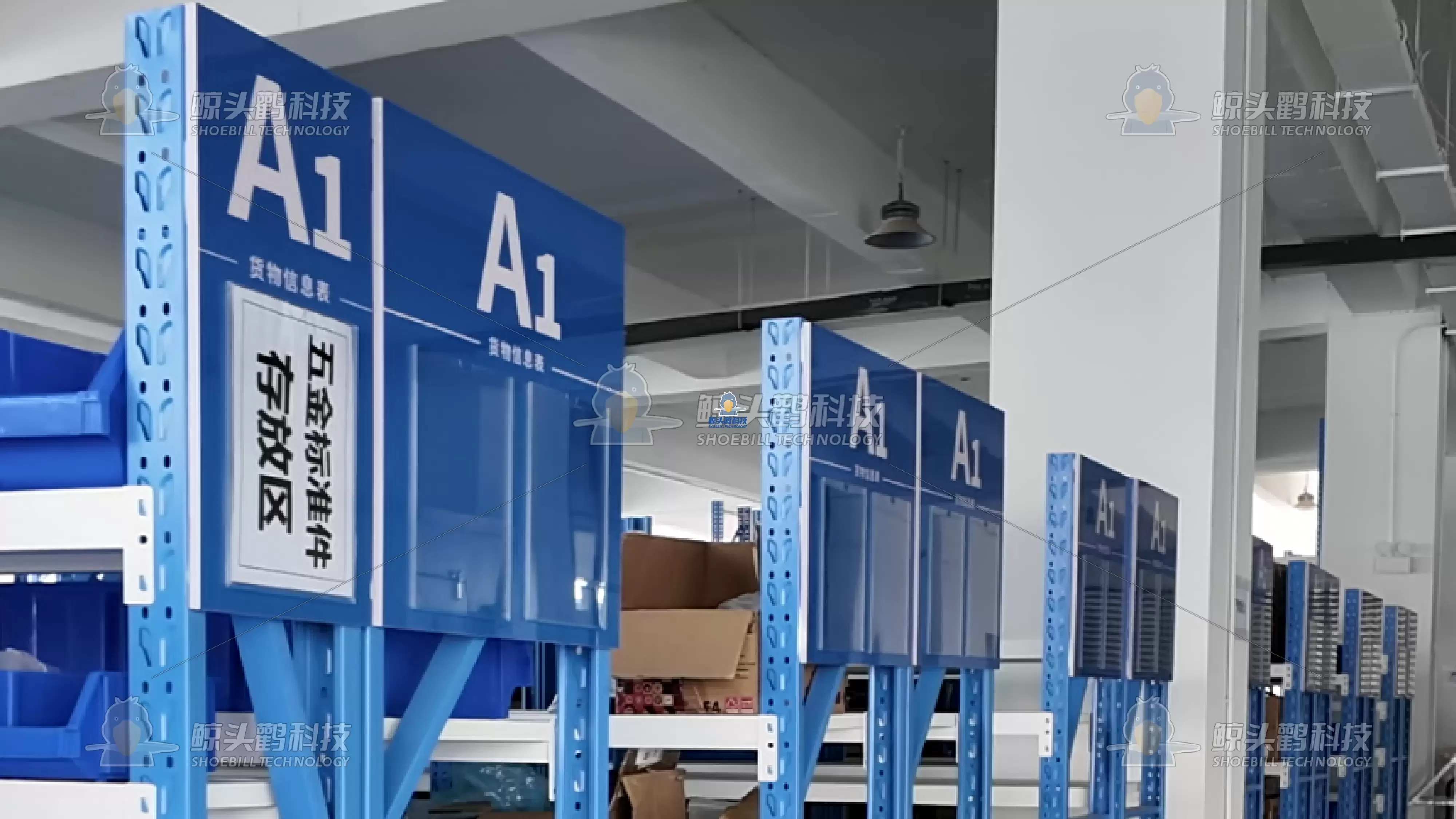
A well-executed lean factory design is not only functional but also a visual representation of operational competence. Visitors intuitively understand efficiency through layout, organization, and workflow design.
Clear Process Flows
Lean principles eliminate unnecessary movement of materials and personnel, creating a straightforward path from raw materials to finished products. Visitors can trace this flow visually, reinforcing the perception of systematic efficiency.
Visible Waste Reduction and Resource Management
Organized storage, minimal excess inventory, and clearly defined workstations demonstrate commitment to resource optimization, a key factor in building confidence with clients focused on operational excellence.
Integration with Smart Systems
Intelligent production lines, automated logistics, and real-time monitoring systems highlight the intersection of lean principles and modern smart factory design, showing clients that efficiency is built into both structure and technology.
These features make operational excellence tangible, enhancing clients’ trust and willingness to engage in collaboration.
The ultimate goal of client-focused smart factory design is measurable impact on collaboration, partnership opportunities, and commercial outcomes.
Enhanced Perception and Trust
Well-designed tours increase client recognition of organizational capability, technological sophistication, and process integrity. Clear, structured exposure to operations fosters confidence in potential partners.
Improved Engagement and Conversion
Detail-oriented services, comfortable observation environments, and informative presentations create positive impressions, often translating into stronger partnership intentions and higher conversion rates for proposals or orders.
Data-Driven Continuous Improvement
Visitor feedback, observation metrics, and structured assessments allow organizations to continuously refine the client visit experience. Adjusting route design, information delivery, and support services based on insights ensures ongoing enhancement in collaboration outcomes.
Implementing such a systematic approach transforms client visits from routine demonstrations into strategic engagement tools with measurable business value.
A truly effective smart factory design considers both operational efficiency and visitor engagement in tandem. Key integration points include:
Route Coordination with Production Schedules
Aligning visit paths with active production ensures clients witness critical operations without disrupting workflows.
Zoning and Floor Planning for Visibility and Safety
Functional zoning supports both operational priorities and observational access, balancing safety with exposure to high-value processes.
Supporting Technologies for Engagement
Digital displays, mobile guides, and interactive dashboards enhance comprehension and retention, highlighting the synergy between technology and design in the smart factory concept.
Combining these strategies within a comprehensive smart factory layout strengthens client perception, reinforces organizational credibility, and improves partnership potential.
A client-oriented smart factory design is a powerful tool for translating operational excellence into perceptible business value. By integrating carefully planned visit routes, detailed service elements, cultural messaging, and lean operational principles, organizations create immersive, informative, and persuasive experiences for clients.
The combination of smart factory layout and lean factory design principles ensures that vertical and horizontal spaces not only optimize internal workflows but also convey competence, efficiency, and quality to visitors. In doing so, client visits become strategic opportunities to strengthen collaboration, improve conversion rates, and reinforce long-term partnership prospects.
Effective client engagement in smart factories is therefore as much a function of architectural and operational design as it is of human interaction, creating measurable benefits in collaboration readiness, trust, and commercial outcomes.

Add: Room 501, Building 1, Lane 668, Defu Road,Jiading District,Shanghai, China
Tel: 021-61354399
Contact: Mr. Chen